Same workloads. Same data. Different architecture.
Measured results from Fortune 500 production deployments of Fractal digital twins in utilities, telecommunications and financial services, over five years.
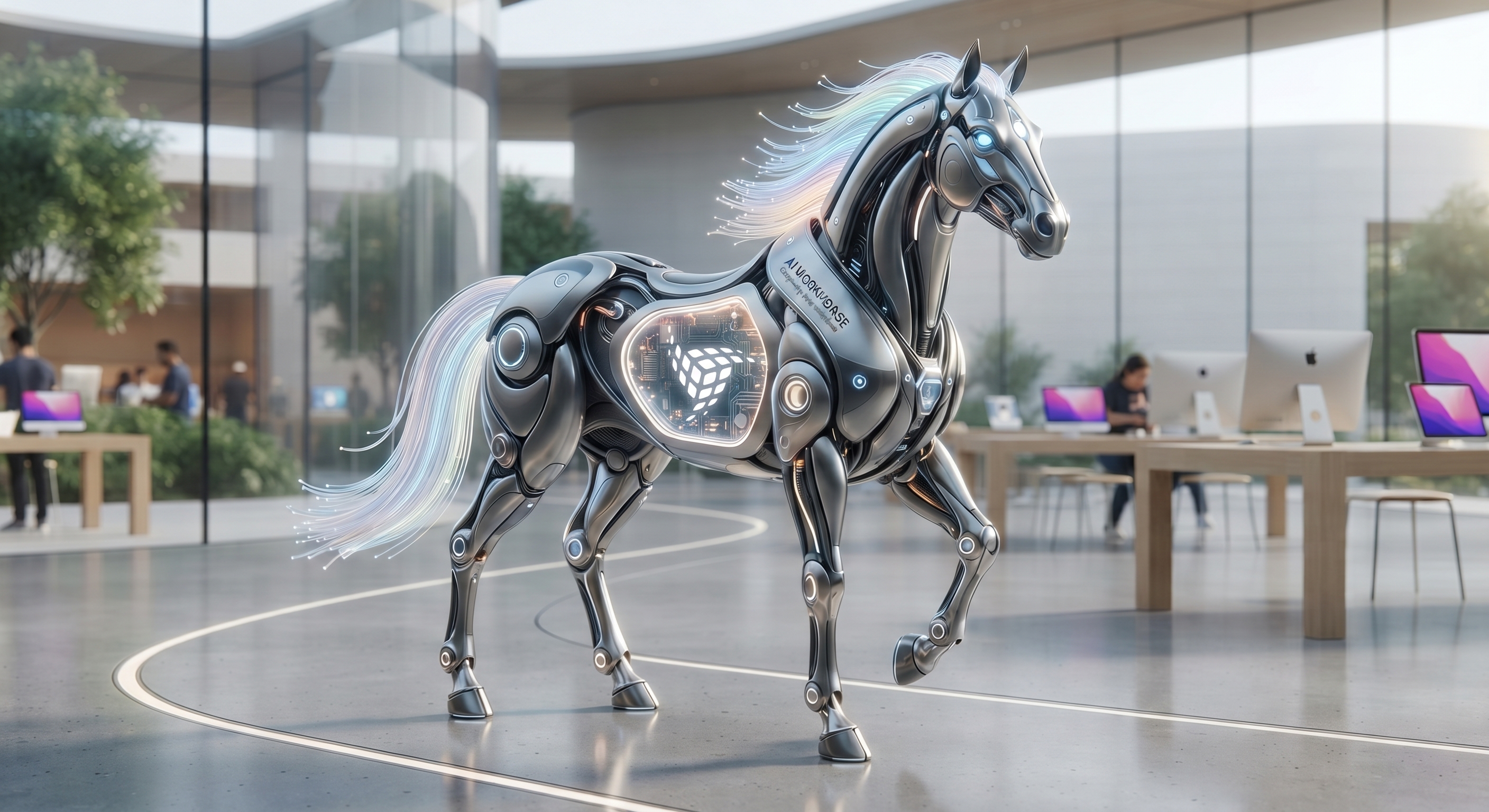
 is your AI workhorse
Billing cycle runtime
10 million customers. One billing run. Same data, different architecture.
Infrastructure cost
Same workloads, same data: what you pay to run them.
- Database licensing: $500K–$1M/yr
- Virtualization stack: $150K–$300K/yr
- Data center floor space, power and cooling: $1M+/yr
- Cloud infrastructure layers: $500K–$2M/yr
- 18 high-end consultants: a $3M–$5M engagement
- 10 commodity computers that fit on a shelf
- Database licensing: eliminated
- Virtualization stack: eliminated
- Cloud infrastructure dependency: eliminated
- 1 programmer deploys in 90 days
Team size and deployment timeline
What it takes to go from decision to production.
High-end consultants to deploy and manage a traditional enterprise AI stack, plus ongoing vendor support contracts.
One programmer. Fractal's onboarding team guides the twin setup, AI integration and deployment.
Typical for enterprise AI on legacy database architectures, with multi-vendor dependencies and custom integration work.
A parallel deployment alongside existing systems. Nothing changes for current operations; real production numbers within 90 days.
Reliability, licensing and velocity
Measured results from Fortune 500 production deployments over five years.
| Dimension | Before Fractal | After Fractal |
|---|---|---|
| System downtime | Hours per month, with scheduled outages | Under 30 seconds per year |
| Software licensing | Database, virtualization and cloud-specific services, renewed annually | Eliminated: runs on commodity hardware you own |
| Vendor lock-in | Deeply embedded in database, virtualization and hyperscaler ecosystems | None: hardware-agnostic, with no external cloud dependency |
| New feature delivery | 1–6 months per feature cycle, through multi-vendor approval chains | Daily: the full application stack in every Fractal instance |
| AI performance ceiling | Constrained by database I/O and middleware latency | ≥ 10× faster, up to 1,000,000× measured, via Locality Optimization |
Data corruption risk
The question every enterprise AI architect must answer before going live.
- Prompt injection triggers unintended writes
- Model hallucinations are written back to systems of record
- Concurrent agent conflicts overwrite the same records
- Model update drift silently rewrites stable data
- Failures cascade across related systems
- This is not a guardrail; it is an architectural guarantee
- Zero corruption events across all Fortune 500 production deployments
One enterprise's footprint
The same AI workload, before and after: what actually lives in your building.
- Physical space
- 5,000+ sq ft
- Power draw (continuous)
- ~2,000 kW
- Annual energy consumption
- 17,500 MWh/yr
- Annual cost (infrastructure + licensing)
- $3M–$5M+
- Physical space
- ~2 sq ft
- Power draw (continuous)
- ~1 kW
- Annual energy consumption
- ~9 MWh/yr
- Hardware cost (total, once)
- $20,000
The data center equation
What happens when 1,000 enterprises replace legacy infrastructure with Fractal digital twins.
17.5 TWh
From ~2 MW per enterprise down to ~1 kW, a 99.95% reduction in power draw per site, across 1,000 deployments: equivalent to powering 1.6 million U.S. homes for a year.
Based on a 2 MW average enterprise data center vs. a 1 kW Fractal footprint × 8,760 h/yr.
6.8M tons
At the U.S. average grid intensity of 0.386 kg CO₂ per kWh, removing 17.5 TWh of data center load avoids 6.8 million metric tons of CO₂ a year: equivalent to taking 1.5 million cars off the road.
U.S. EPA grid emissions factor, 2024. Excludes cooling water and embodied carbon.
Over $4B
Each enterprise saves $3M–$5M a year in data center capex and opex, database and virtualization licensing, and cloud fees: over $4B a year across 1,000 deployments, plus 15+ large data centers that never need to be built.
Conservative estimate. Actual savings vary by enterprise scale and licensing baseline.
The AI infrastructure choice
Every enterprise deploying AI on structured data faces the same fork in the road.
- AI writes directly to production databases: corruption risk is always present
- $ millions per year in data center, licensing and cloud costs
- 18 consultants, 24-month deployments, 1–6 month feature cycles
- 90-hour billing runs: slow, expensive, failure-prone
- New data centers, power contracts and cooling infrastructure
- 17,500 MWh/yr per enterprise: carbon-intensive at scale
- Locked into database, virtualization and hyperscaler ecosystems
- AI operates on a digital twin: zero risk to systems of record
- $20K of hardware, once: no ongoing infrastructure spend
- 1 programmer, 90-day deployment, features delivered daily
- 9-minute billing runs: 600× faster, on commodity hardware
- No new data centers: the entire stack fits on a shelf
- ~9 MWh/yr per enterprise: 99.95% less energy
- No vendor lock-in: runs on any hardware, with no cloud dependency
Same AI. Different architecture. Different world.
Figures are Fractal-reported results from Fortune 500 production deployments in utilities, telecommunications and financial services.
See what safe, low-cost AI looks like on your data
A 90-day deployment at production scale, alongside your existing systems. No disruption. Your data. Real numbers.